

This SOP applies to mobile stage equipment equipped with a hydraulic system. It covers the general process from vehicle positioning after arrival to reaching a ready-to-use condition.For manually deployed mobile stages without a hydraulic system, skip the step “Hydraulic System Power Preparation” and follow the actual structural deployment sequence of the equipment.
Step 1: Positioning and Anti-movement Check
Operation:Park the vehicle at the planned position and apply the parking brake. If required by the ground slope, use wheel chocks.
Result:The vehicle remains stable during deployment and does not move.
Step 2: Hydraulic System Power Preparation(For all hydraulic movements)
Operation:Before deployment, the operator confirms that the hydraulic system power is available. The power supply must support hydraulic movements for the support system, stage platform, wing panels, roof, and other related structures.
Result:The hydraulic system is ready, and the required hydraulic deployment movements can be carried out.
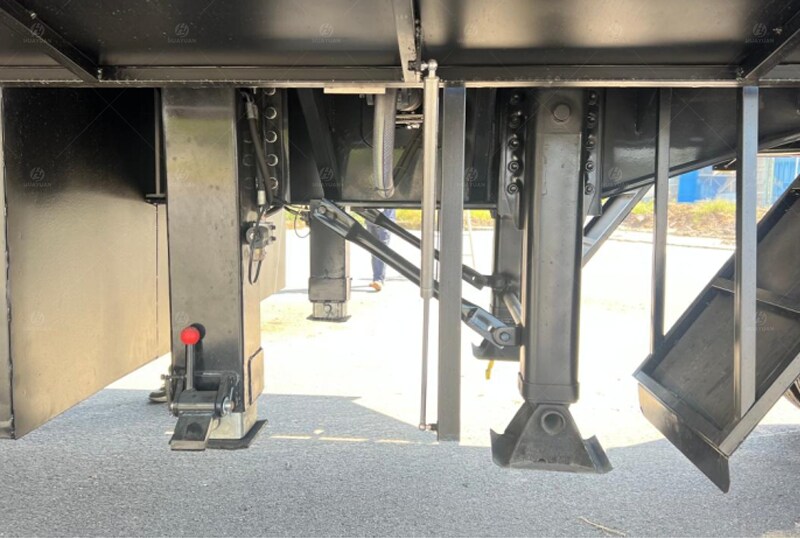
Step 3: Leveling and Support in Position
Operation:Lower the support system to the ground and confirm stable load contact. Then complete leveling checks and adjustments.
Result:The equipment reaches the stable condition required for further deployment.
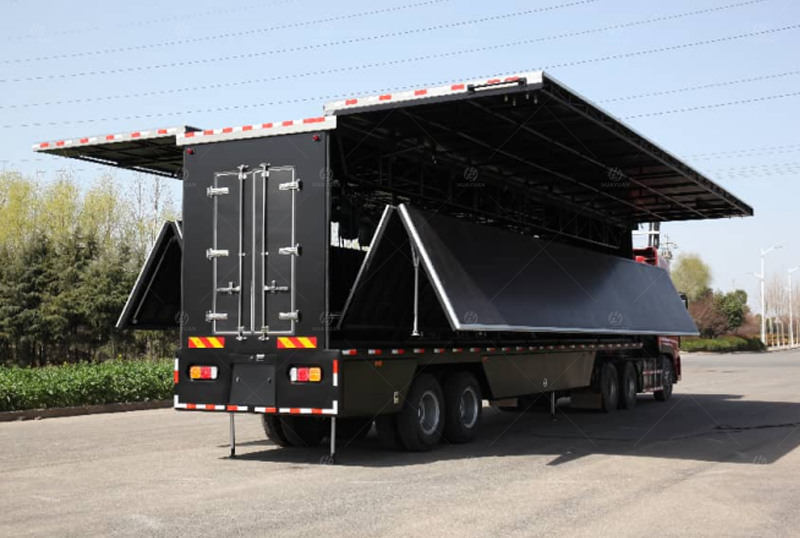
Step 4: Deploy the Stage Structure(Stage platform + wing panels + roof + accessories)
Operation:The operator deploys the stage platform, opens the wing panels, raises the roof, and installs the accessories that move into position during the deployment process.
Result:The stage space and roof structure are fully deployed. No interference, jamming, or abnormal movement is observed.
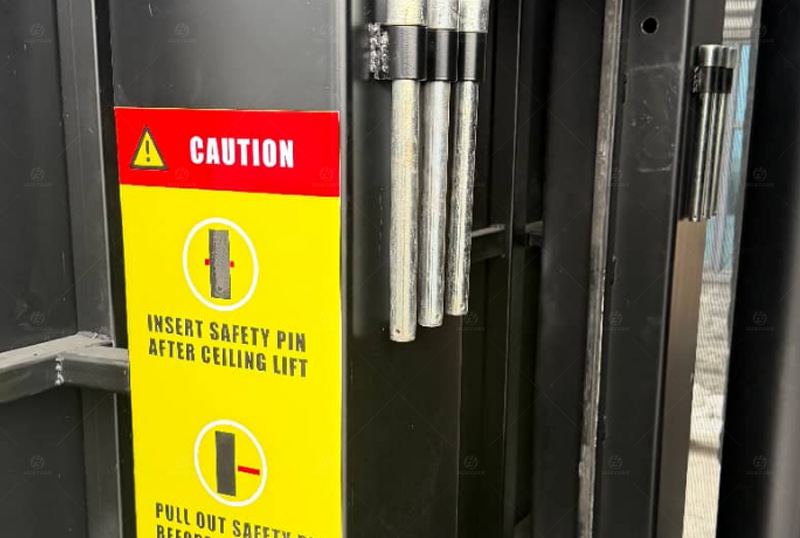
Step 5: Locking and Safety Fixing
Operation:After deployment, the operator completes structural locking and inserts the safety pins for fixing.
Result:The structure is locked, the safety pins are in position, and the equipment enters a ready-to-use condition.
Step 6: Project System Power Preparation(According to project scope)
Operation:After the stage structure is fully deployed and locked, the operator prepares power for lighting, display, audio, and other systems according to the project scope, if included.
Result:Power preparation for the project systems is completed. The site can move on to system placement and basic testing.
Step 7: System Placement and Cable Protection
Operation:The operator positions and secures the display, lighting, audio, and other equipment according to the project scope. Cable routes are also arranged and protected.
Result:System placement is completed. Cable routing and access organization meet the requirements for use.
Step 8: Function Check and Handover
Operation:The person in charge organizes the function check and confirms that all key items have been completed.
Result:The equipment is ready for use, and the handover information is complete.
Stop and Entry Principles
During movement:Non-essential personnel must not enter the structural movement area.
When inspection under the stage is required:The operator should stop all movement first, confirm that the support system is stable, and then enter for inspection.
When an abnormal condition occurs:Stop immediately and recheck the equipment if any abnormal noise, jamming, interference, collision, abnormal load condition, or sudden weather change occurs.
Pre: No Information
Next: No Information
